2026-10-11 ·
Seasonal Water Leaks: Protecting Your Tallahassee Home Year-Round
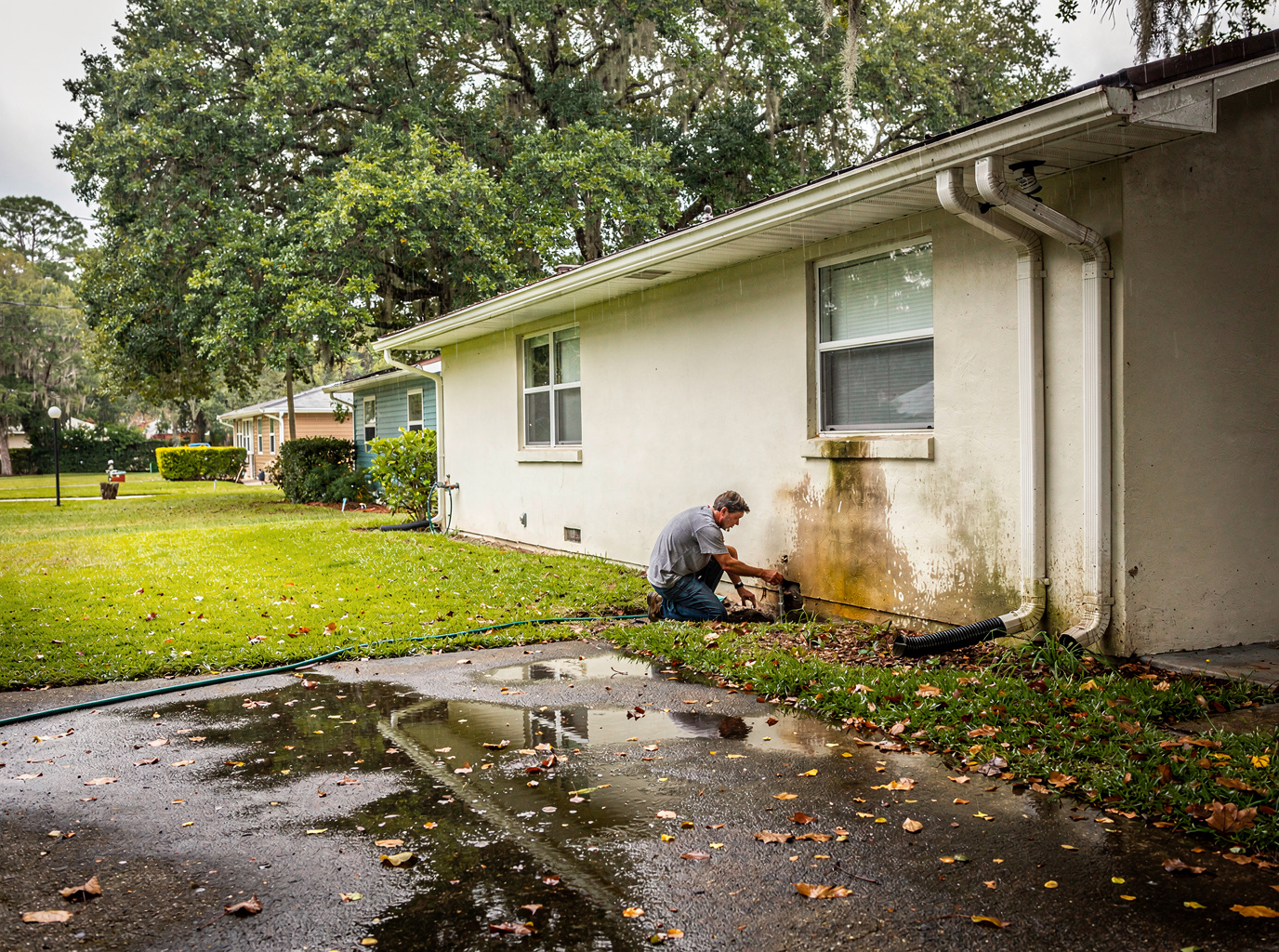
Seasonal water leaks in Tallahassee are driven primarily by our humid subtropical climate, where intense summer heat, heavy tropical downpours, and winter cold snaps cause repetitive ground movement and thermal pipe expansion. In Leon County, seasonal plumbing failures typically cost between $500 and $4,000 or more to remedy when subterranean piping gives way under shifting clay soils. Protecting your property requires tracking how weather transitions stress your supply lines, foundation slabs, and outdoor fixtures throughout the calendar year.
Spring Moisture Surges and Exterior Line Stress
Spring in the Florida panhandle brings rapid vegetative growth and heavy rain systems moving inland from the Gulf past St. Marks National Wildlife Refuge. As root systems from mature live oaks and pines awaken in neighborhoods like Killearn Estates, they seek out moisture around subterranean utility paths. Minor structural weaknesses in exterior service lines quickly become compromised as hungry roots wrap around joints.
Simultaneously, municipal water pressure often fluctuates as local irrigation systems fire up across residential communities. If you suspect your outdoor supply or main service line has developed a crack due to root intrusion, scheduling professional residential leak detection can pinpoint the breach without trenching your lawn. Watch for spongy patches near your meter box or water bills that jump by 20% to 50% despite normal indoor usage.
Summer Heat, Ground Settling, and Foundation Leaks
Tallahassee summers feature sustained stretches above 90°F paired with daily high-humidity cycles. While our climate produces ample rain, brief dry spells bake the top layers of soil, causing the high-clay content common throughout Midtown and Southwood to shrink and contract. When the ground dries, concrete foundations settle unevenly, placing intense downward sheer force on soft copper pipes cast directly beneath concrete pads.
This ground shift is the leading contributor to hidden foundation failures. When structural movement causes an under-slab pipe to split, homeowners often require professional slab leak detection before extensive foundational erosion occurs. Key indicators that summer soil shifts have caused an issue include:
- Noticeably warm spots on tiled, hardwood, or laminate floors
- Persistent dampness or unexplained mildew beneath carpets
- The sound of rushing water behind drywall when all fixtures are shut off
- Sudden drops in water pressure during peak morning shower hours
Addressing these issues early prevents the need for invasive, emergency Slab Leak Repair projects that disrupt your home's flooring and structure.
Fall Transition: Inspecting Multi-Unit and Rental Strain
Autumn brings massive population shifts to our city. As tens of thousands of students return to areas surrounding Florida State University, Doak Campbell Stadium, and College Town, residential plumbing across rentals and older multi-family properties gets pushed to capacity. Increased cycling on water heaters and drainage lines exposes pinhole failures that went unnoticed over the quiet summer months.
Fall is also the ideal window to perform a routine DIY leak check before winter weather arrives. Property owners near Downtown can verify water tightness by reading their water meter, waiting 2 to 3 hours without using taps, and checking for dial movement. Catching a running fixture or an internal pipe fracture now prevents compounding structural issues during holiday gatherings.